The Bag of Shit (And Why Putting It Down Matters)
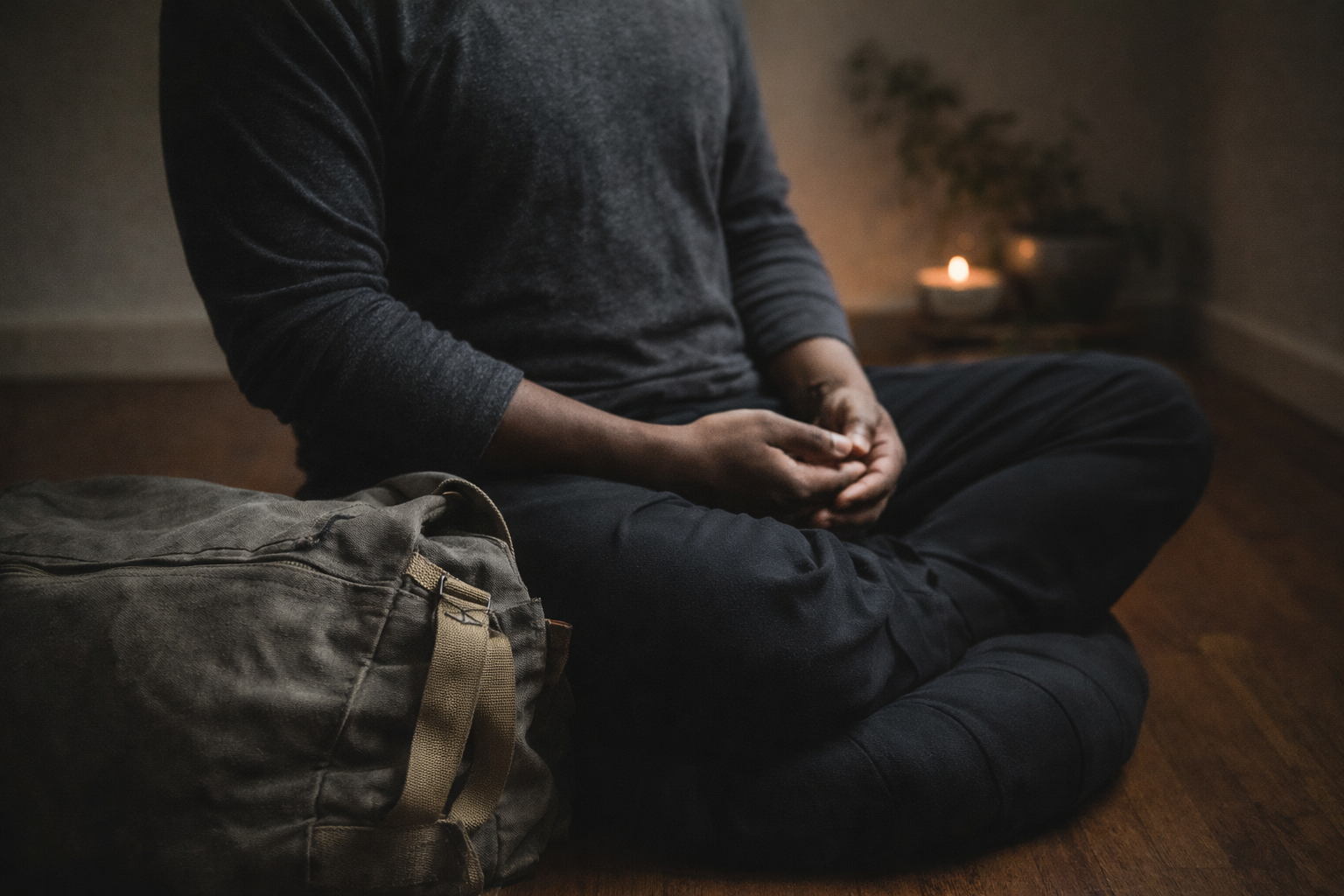
Lately, I’ve been carrying all of it.
I was supposed to be at winter sesshin this week—five days of sitting Zazen with my sangha. I had the train tickets. The hotel. I’d paid for the retreat. My mind had already packed its bags and arrived.
Then life did what it does.
An unexpected medical issue with my port—the small, surgically implanted device that allows me to receive my chemo infusions—meant surgery. My doctor didn’t want me traveling afterward. Between the surgery and being immunosuppressed because of my kidney transplant meds, it just wasn’t advised.
So I didn’t go.
And yes, it was disappointing.
My preference was to be there. My heart wanted to be in that room, on that cushion, breathing with my community. But the rhythm and beat of my life said, not this time.
Zen practice has taught me—slowly, imperfectly—that you don’t get to force your life into your preferences. You have to learn how to flow with what’s unfolding. The living Dharma isn’t something abstract. It’s happening right now, whether you like it or not.
And here’s the part that still gets me:
The moment truly doesn’t give a fuck whether you approve of how it’s folding.
It’s not about you.
You’re a part of what’s unfolding.
I understand this intellectually. I can say the words. I can nod wisely at the teachings. And still—my feelings show up. The frustration around my illness. The limitations I work with daily. The constant recalibration.
I’m grateful for my life. Truly.
And I’m also exhausted by it sometimes.
Both things are true.
That’s part of what my teacher once described as carrying a bag of shit. We all have one. It’s filled with disappointment, plans that didn’t happen, fear, anger, uncertainty, logistics, grief, and the stories we tell ourselves about how things should be.
The bag gets heavy when we pretend it isn’t there.
It gets heavier when we refuse to put it down—even briefly.
Zazen, for me, isn’t about escape. It’s not about emptying the mind or transcending the mess. It’s about learning how to sit with the weight without letting it collapse me. It’s about noticing how I’m working with my mind while I’m carrying everything.
Sometimes the practice is simply seeing:
Oh, I’m clenched right now.
Oh, I’m fighting what’s already happened.
Oh, I’m exhausted and pretending I’m not.
Putting the bag down doesn’t mean the contents disappear.
It means I stop dragging it across every moment.
Lately, I’m also carrying uncertainty about what’s happening in this country—politically, socially—and how that instability touches my work and the people I care about. That weight lives right alongside my health concerns. Another example of how multiple truths occupy the same space without canceling each other out.
This is the tapestry.
Everything woven together.
No single thread telling the whole story.
Stillness, I’m learning, doesn’t arrive when life finally cooperates. Stillness is something you practice inside the carrying. Inside the disappointment. Inside the uncertainty. Inside the very human wish that things were easier than they are.
Some days, the practice looks like sitting.
Some days, it looks like admitting I’m tired.
Some days, it looks like letting go of the idea that I’m supposed to be anywhere other than where I am.
I didn’t make it to sesshin this time.
And I’m still practicing.
Right here.
With the bag.
One breath at a time.
Next up
Post #3: Preference, Resistance, and the Exhaustion of Wanting Things to Be Different