Preference, Resistance, and the Exhaustion of Wanting Things to Be Different
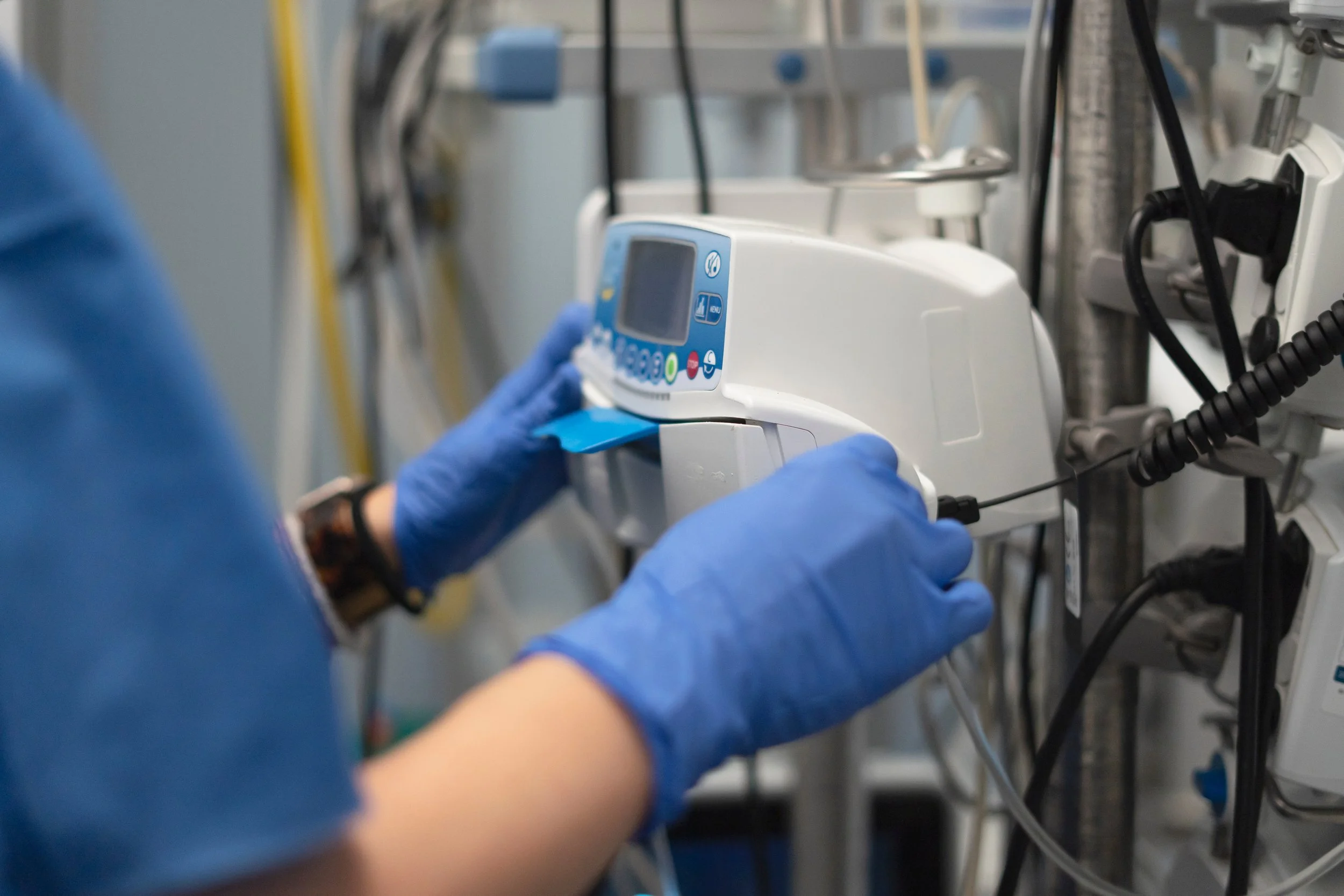
Hospitals always bring me back.
This week, sitting in the recovery area after surgery to remove and replace my medical port, I felt it again—that familiar drop into memory. Hospitals have a way of returning me to where my chronic illness journey began. To those fixed moments in time that reroute your life without asking permission.
We all have them.
Hard coordinate shifts.
Moments where the trajectory you thought you were on—your plans, your dreams, your assumptions—bends or breaks. Moments where you either flow with your life as it is, or exhaust yourself fighting against it.
A few years ago, during a rough patch when I was experiencing a slight rejection episode of my kidney transplant, my current teacher, Koshin Sensei, could tell I was struggling. Not just medically—but mentally. Emotionally.
In my head, I was running from everything.
What if the rejection couldn’t be reversed?
What if I had to go back on dialysis?
What if I lost this freedom I’d been given?
The thought of being tethered again—to a machine, three times a week, for hours—terrified me. Especially after years of being untethered. Free.
I didn’t want to think about it. I didn’t want to feel it. I didn’t want to be there.
Koshin looked at me and said something simple:
“I’m rooting for you… to be in your life.
Even the parts that are uncomfortable.”
That landed like a punch.
Because suddenly, I was right back in the now.
No escape. No future fantasy. No running.
Just fear.
Just grief.
Just uncertainty.
And it pulled me even further back—to when I first lost my native kidneys and had to start dialysis.
That’s actually where I was introduced to Zen practice.
My first teacher, Sato Sensei, was on dialysis with me. He sat next to me, hooked up to the same machines. And I was angry back then. I was 25, confused, scared, and completely unprepared.
I was rude to nurses. Short with staff. Bitter.
I had no language for what I was experiencing. No tools.
The doctors didn’t even know why my kidneys failed. Just: you blew out your kidneys, kid—have you tried the hospital Jell-O?
I went to dialysis every day pissed off.
Why me?
This can’t be my life.
This isn’t how it’s supposed to go.
I was clinging hard to a version of my life that no longer existed.
After months of listening to me repeat the same complaints, Sato finally had enough.
“Enough,” he said.
“I keep hearing you say this isn’t your life. Sorry, kid. This is your life. Not your whole life—but a part of it you don’t get to ignore.”
Then he said the thing that really cracked me open:
“You’re going to die. We’re all going to die.
Are you going to spend the time between now and then being an asshole?
Or are you going to live in reality?”
I didn’t like hearing that.
I didn’t like seeing myself reflected back like that.
But that’s what good teachers do. They act as mirrors. They help you see yourself when you’re distracted by your conditioned shit—by preference, fear, and resistance.
Both Sato Sensei and Koshin Sensei did that for me at different points in my life. Both brought me back—painfully—to the living reality of now. To the Living Dharma as it was unfolding. To sitting with what I didn’t want to sit with.
This is why sangha exists.
Community isn’t there to fix you or cheerlead your preferences. It exists to walk with you. To help you find your way back when you’re lost because you were trying to be anywhere but here.
We’re all here—living our humanity.
With joy and sorrow.
With ignorance and insight.
With clarity and confusion.
The greatest gift we can give each other is not solutions or spiritual platitudes.
It’s to bear witness.
To hold one another’s joys and sorrows.
To stay present without breaking.
That’s the practice.
Even when it’s exhausting.
Especially when it’s exhausting.
Next up
Post #4: Mirrors, Mortality, and the Teachers Who Refuse to Let Us Look Away