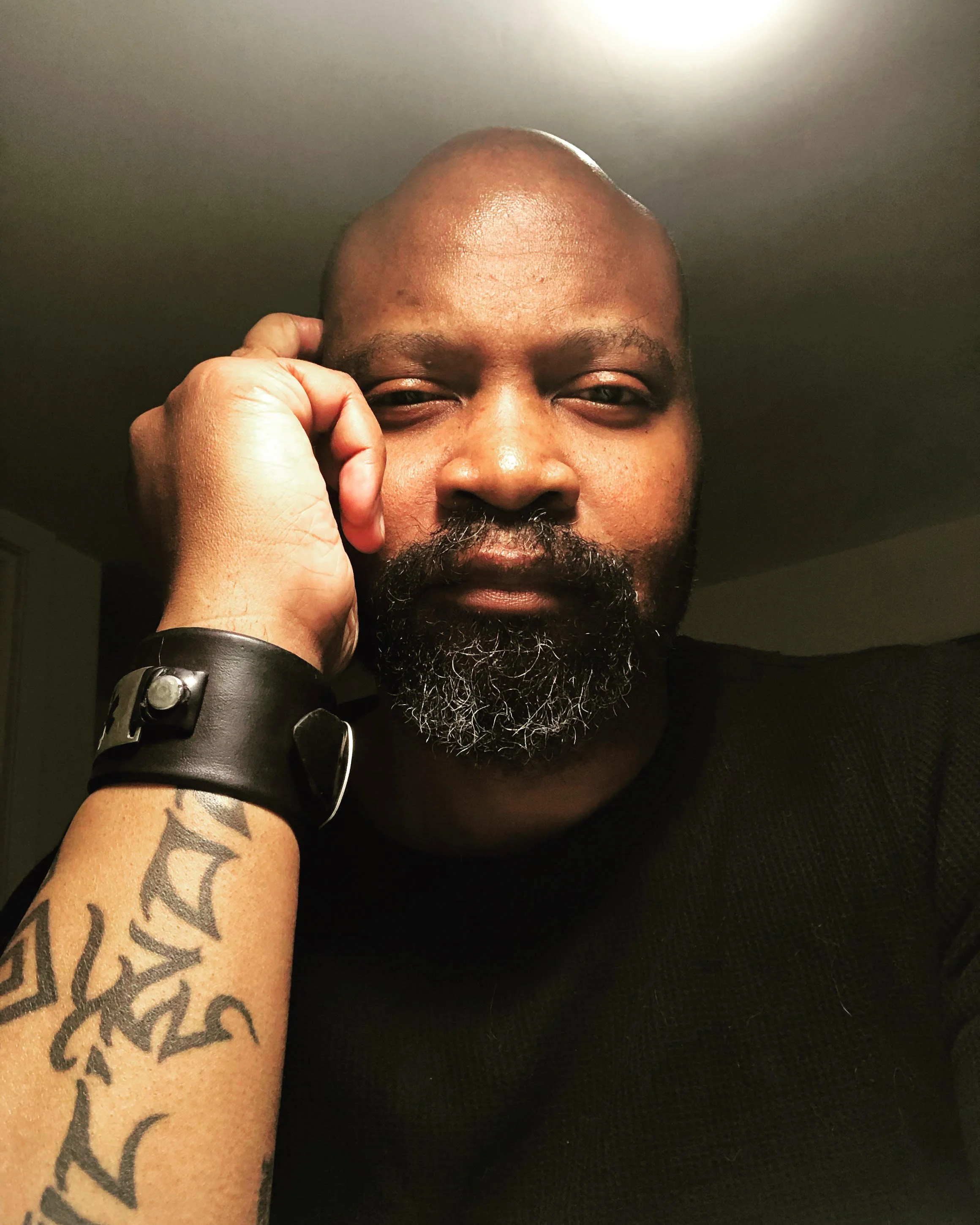
I’m DT—short for Dana Troy.
I’m a graphic designer and illustrator by trade, and a Zen practitioner by necessity. I live with a rare disease called atypical hemolytic uremic syndrome (aHUS), which has shaped my life in ways I never planned for and couldn’t have imagined.
I started The Reluctant Buddhist during the pandemic, not as a teaching project, but as a way to make sense of my own experience—illness, grief, anger, uncertainty, and the slow work of learning how to stay present inside it all. What began as a private reflection grew into something I felt compelled to share.
Zen practice hasn’t made my life easier or cleaner. It hasn’t removed pain or given me answers that stick forever. What it has done is teach me how to pause, breathe, and notice how I’m working with my mind—especially when things don’t go the way I want them to.
This space is for people living with illness, people who feel lost or broken, and anyone trying to meet their life honestly without pretending to have it figured out. It’s also for my younger self, who believed strength meant carrying everything alone.
I don’t write from a place of mastery. I write from inside the practice—sometimes steady, sometimes struggling, always learning. I believe many truths can occupy the same space at the same time, and that stillness isn’t something you find by dropping everything, but something you practice while carrying it all with clarity.
This is not a mindfulness brand or a path to enlightenment.
I’m not a teacher. I’m just sharing my experience in The Living Dharma.
It’s a record of showing up.
Why “The Reluctant Buddhist”
I call this The Reluctant Buddhist for a reason.
Reluctance, for me, isn’t rejection. It’s honesty.
I didn’t come to Zen looking for an identity, a worldview, or a way to escape my life. I came because I was sick, angry, scared, and out of options. Practice didn’t arrive as certainty—it arrived as necessity.
I’m reluctant because I still resist.
I still cling to preferences.
I still want things to be different from what they are.
Zen practice hasn’t removed that. What it’s done is teach me to notice how I’m working with my mind when resistance shows up. To pause. To breathe. To return—again and again—to the life that’s actually here.
Reluctance also keeps me from pretending I have answers. I don’t write as a teacher or a spiritual authority. I write from inside the practice—sometimes steady, sometimes struggling, always human.
This work isn’t about being a “good Buddhist.”
It’s about being awake enough to stay in my life.
That’s the practice.
That’s the reluctance.
If any of this sounds familiar, you’re welcome here.
dt@thereluctantbuddhist.com