The Long Disease
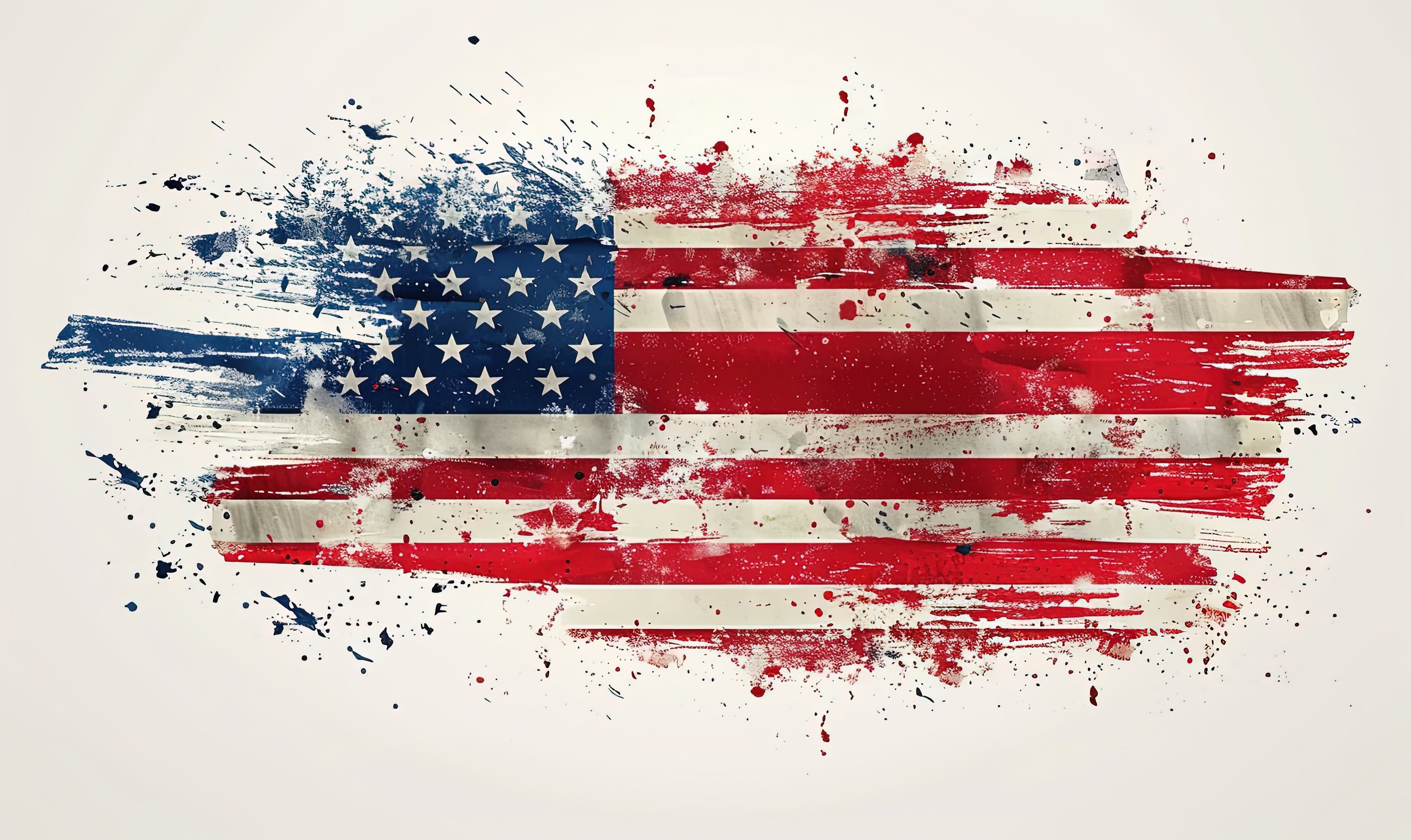
My blog and this Substack are about my journey through chronic illness—about how I work with my mind inside a body that has taught me, repeatedly, that nothing is guaranteed.
But lately I’ve been thinking about illness more broadly.
Not just my own.
I live in the United States. And what’s been happening—most recently in Minnesota—has been sitting heavy with me. I don’t have a clean argument or a neat conclusion. I just have a sense that something is very, very unwell.
Chronic illness doesn’t arrive suddenly.
It develops over time.
It’s not one incident.
It’s a pattern.
It’s what happens when the body compensates for harm instead of healing it. When inflammation becomes the norm. When systems designed to protect start doing damage.
The United States feels like that to me.
We call ourselves “United,” but we are anything but. If we are united in anything, it’s in our conditioning to divide—to separate, categorize, and fear one another. I learned early in life that fear is one of the most powerful tools we have.
Fear can drive us toward courage or cruelty.
Toward protection or destruction.
Toward care or annihilation.
Fear doesn’t choose the road—we do.
In Buddhist teaching, we talk about the five aggregates, the skandhas: form, feeling, perception, mental formations, and consciousness. These aren’t flaws. They’re what make us human. They’re how experience arises.
But when these conditions go unexamined—when they harden into identity and ideology—they can also become the engine of immense harm.
We feel something.
We perceive it through conditioning.
We build stories around it.
We act.
And then we justify what we’ve done.
Over and over again.
What does it mean to live so driven by unexamined feeling and perception that we enslave, kill, diminish, and erase other sentient beings? That we label some lives as disposable while insisting on our own innocence?
We tell ourselves stories so we can sleep at night.
We rewrite history so our children won’t have to carry what we refuse to face.
But energy doesn’t disappear.
It doesn’t vanish just because we rename it or bury it. It moves through bodies. Through families. Through institutions. Through soil. It lives somatically—as trauma passed down, as fear learned before it’s understood.
Chronic illness works the same way.
Untreated injury doesn’t resolve itself.
It migrates.
What we refuse to heal gets carried forward.
The United States has been living with the same disease since its birth. Racism. Separation. Extraction. Capitalism intertwined with domination. All the isms that grow out of the same root: the need to divide, to categorize, to control, to avoid what makes us uncomfortable.
At its core, this is an illness of avoidance.
Avoidance of grief.
Avoidance of accountability.
Avoidance of shared humanity.
I know this pattern intimately—not just as a citizen, but as a patient.
For years, I avoided my own pain. I avoided grief. I avoided responsibility for healing because healing meant feeling. And feeling meant letting go of the stories that kept me protected.
The body doesn’t heal through denial.
Neither does a society.
Healing begins when we stop running long enough to tell the truth about what hurts.
I don’t know what collective healing looks like in practice. I don’t have prescriptions or policy answers. What I do know is that unexamined fear will keep reproducing the same outcomes, no matter how many times we say we want something different.
Chronic illness taught me this:
You don’t heal by wishing things were otherwise.
You heal by staying present long enough to work with what is.
This isn’t optimism.
It’s practice.